Seller with a smoker in the house
A seller preparing to list a two-story home wants years of cigarette odor out of the bedrooms and HVAC before photos.
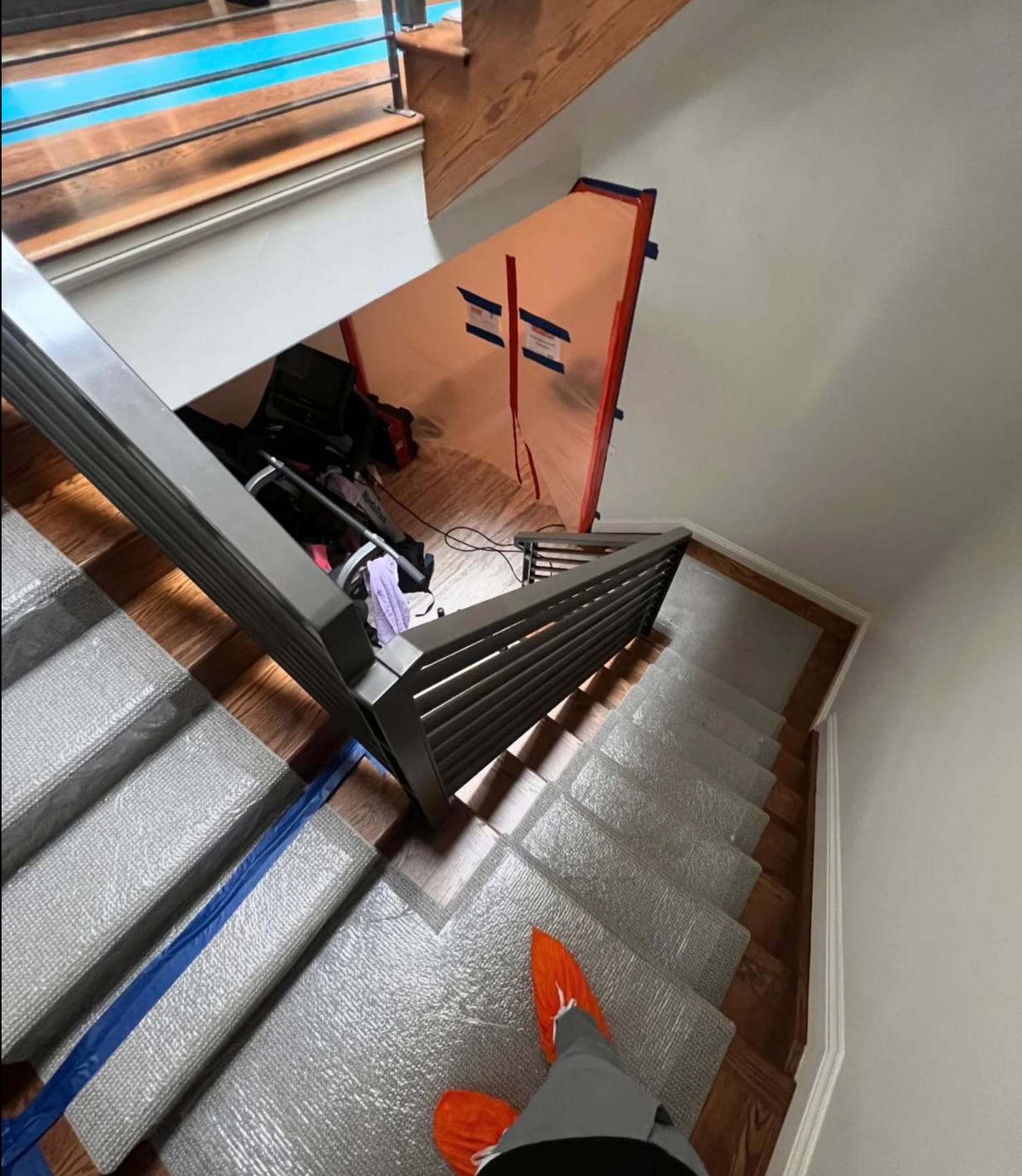
Before listing · Before move-in
Odor is the first thing buyers notice and the last thing sellers can smell. This guide covers how a whole home is assessed and when odor is best treated: before showings or before your furniture arrives.
1
Before listing photos and showings, or between closing and move-in, furniture is out of the way and carpets and subfloors can be reached.
2
Cooking, smoking and everyday life fade into the background for the people who live there. Buyers notice immediately.
3
An objective whole-house assessment identifies the sources so they can be treated and the home presents well or feels fresh on move-in day.
Milestone 1
The best time. Treatment, ventilation and any touch-up paint are done before the house is staged and photographed.
Milestone 2
If the listing is already live, schedule treatment for a gap between showings; ask how long the home needs to be empty.
Milestone 3
Inspectors and buyers' agents notice odor and may note it. Addressing it first avoids a renegotiation.
Milestone 4
For buyers: an empty house is the easiest to treat. Carpets, closets and the air system can all be reached.
Guides and worksheets for timing odor work around a Highlands Ranch sale or move.
Most Highlands Ranch houses were built by production builders from the early 1980s on, with forced-air heat, attached garages, open great rooms and finished basements.
These planning tools are built to be used on the spot: at a showing, during the gap between closing and the moving truck, or while comparing written scopes from odor providers.
Every situation on these pages is hypothetical.
A forty-year-old Northridge two-story, a recent BackCountry build and a Lone Tree condo can all smell wrong for different reasons.
You stop noticing your own home's smell within days. Buyers notice it in seconds. Ask your agent or a friend who doesn't visit often for an honest first impression, then look at what's on this list:
Odors that were covered during showings often come out after closing, when the air fresheners are gone and the heat runs. If you smell something on the final walkthrough, or the day you get the keys, treating the empty house before furniture arrives is the simplest time to do it.
A good provider plans the work to fit real estate timelines.
1
Walk every room, the basement, garage, and air system to identify odor sources.
2
Separate odors that need source treatment from those that need only whole-space treatment.
3
Plan timing around painting, flooring, cleaning, photos, and your closing date.
4
Treat sources and perform a whole-home treatment, including the HVAC system.
5
Review results so the home is ready for showings or move-in.
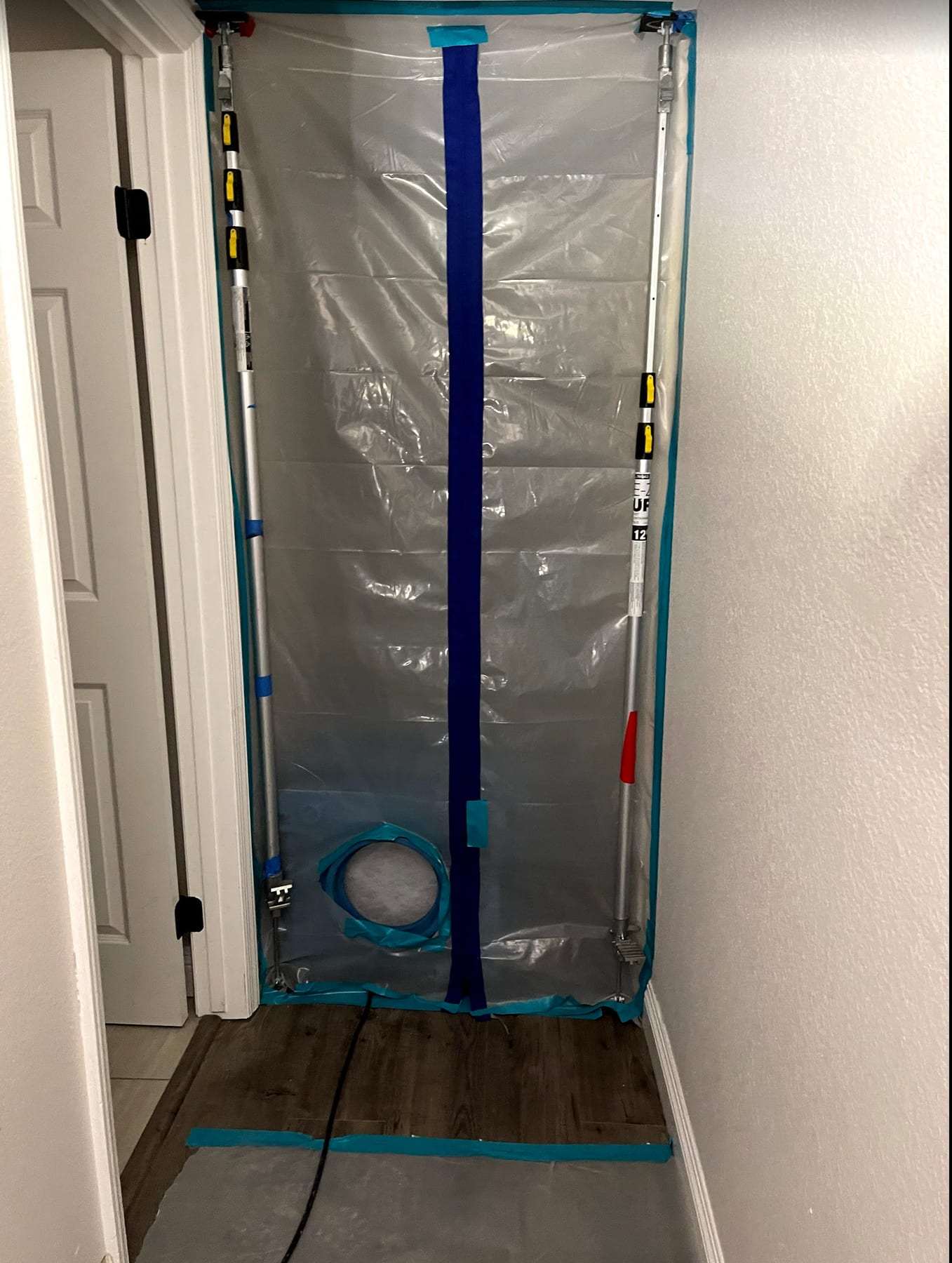
Highlands Ranch, a master-planned community in Douglas County, has a large inventory of single-family homes and townhomes built from the 1980s onward, many with finished basements and forced-air HVAC. Homes here change hands regularly, and condition, including smell, affects how a home shows.
Many homes have spent years with finished basements, closed-up air during winter, and attached garages that share air with the house. Those are exactly the conditions that make odor noticeable when a house is empty and shown to buyers.
ZIP codes served: 80126 (Littleton), 80129 (Littleton), 80130 (Littleton).
Also nearby: 80122, 80120, 80124, 80131, 80121, 80128, 80125, 80112, 80111, 80113, 80123, 80110, 80237.
A seller preparing to list a two-story home wants years of cigarette odor out of the bedrooms and HVAC before photos.
New owners have a two-week window between closing and their moving truck and want a stale, musty smell treated first.
A family preparing a parent's home for sale needs years of accumulated odors addressed before listing.
Ideally before painting, carpet cleaning, and listing photos, which is often one to two weeks before going live. Your agent can help set the schedule.
Yes, though an empty home allows more thorough access to carpets, closets, and baseboards. Ask how the work would be planned either way.
Whole-home treatments typically require occupants to be out for a period. Ask for the timing before scheduling.
Disclosure obligations depend on Colorado law and your contract. Ask your real estate agent or attorney.
Yes. The window between closing and move-in is one of the best times to treat a home.
Not if residue is on the subfloor, walls, and ducts. Odor can come back through new finishes. Treating those sources first is recommended.
Disclosure rules depend on the issue and on Colorado's seller disclosure requirements; that's a question for your real estate agent or attorney. Ask whoever treats the home for a written description of what was found and treated, which some sellers choose to share with buyers.
This form is not connected. This website is a draft preview: no business has been confirmed to receive requests, so the fields below are switched off and nothing can be sent. In an emergency, call 911.